Investment Guide: North Bangalore – Where the City's Growth Money Is Heading
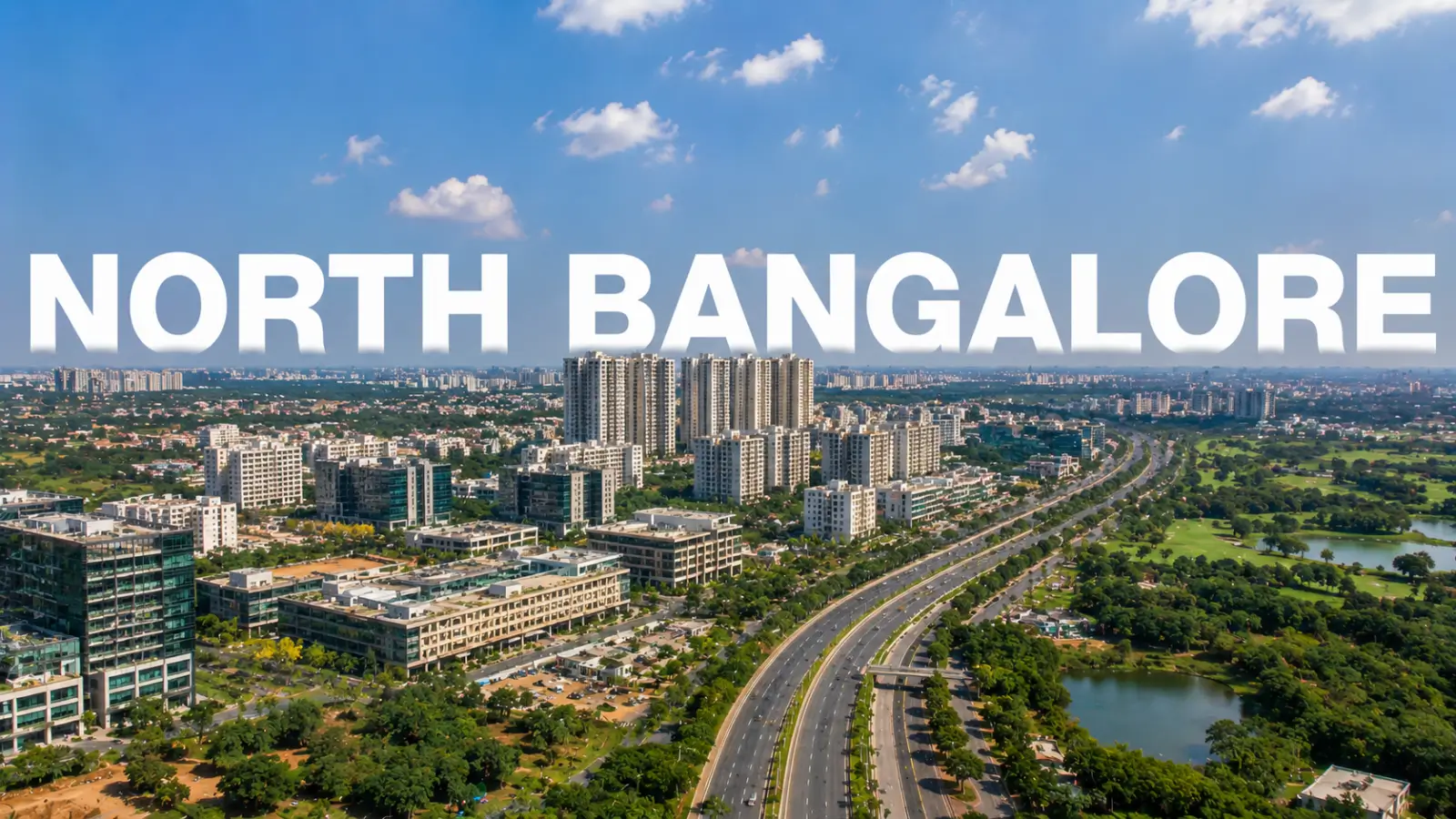
Investment Guide: North Bangalore compares property prices, rental yields, growth drivers, key micro-markets and risks for long-term investors.
Ask those watching property in Bangalore where the growth will come from in the next decade, and many will point north. The area has an international airport, a big tech park, large new industrial zones and a metro line under construction. Prices are all over the place, from upscale to unexpectedly affordable but that mix also means opportunity, and confusion for investors. Which pocket is worth your money, and which one is too risky? In this investing guide, we go through micro-market by micro-market in North Bangalore. We look at the latest sales and price data, analyse four significant locales side-by-side and identify the triggers most likely to move values. We also outline the hazards that could hinder returns. Third, we present a clear vision of who should invest, and where, so you can act on evidence.
Why Investors Are Looking North
Several forces are pulling the capital northwards, first being the demand. April to June 2026 numbers show the north accounts for 31 per cent share of housing sales citywide, second after the east. The same report describes the area as a leading growth corridor. It hints at a planned aerospace, defence and AI hub, the IT Investment Region in Devanahalli and a huge township project. The second force is labour. The Foxconn electronics facility, the airport, the Boeing engineering campus and Manyata Tech Park employ a huge workforce. The third is infrastructure, led by the Blue Line metro and three lines of commuter rail. This investment guide has an eye on North Bangalore because demand, jobs and transport are all rising at the same time.
Comparing the Key Micro-Markets
North Bangalore is not one market, but few; and numbers indicate that. 2026 estimates show that residences in Hebbal cost roughly ₹17,100 per sq ft. They're around 3.5 per cent and prices have not budged. Jakkur has a comparable yield but a drop of over 5 per cent, with an average of around ₹13,000. Yelahanka New Town has the greatest yield, almost 15 per cent gained in a year, at around ₹9,000, almost 4.7 per cent. The average price of apartments in Devanahalli is around ₹9,600 and they yield around 3.3 per cent, but villas command much more. In another quote, Thanisandra Main Road is at around ₹10,300. Every market is right for a different investor. Price, yield and momentum are used to analyse the micro-markets of North Bangalore collectively in this investment guide. The table below consolidates the important figures into a single view.
Micro-Market | Average Apartment Rate (2026) | Gross Yield | Price Movement |
|---|---|---|---|
Hebbal | About ₹17,100 per sq ft | About 3.5% | Broadly flat |
Jakkur | About ₹13,000 per sq ft | About 3.4% | Down almost 5% |
Devanahalli | About ₹9,600 per sq ft | About 3.3% | Up about 4% in one quarter |
Yelahanka New Town | About ₹9,000 per sq ft | About 4.7% | Up roughly 15% in a year |
Catalysts That Could Lift Values
A string of planned events could support prices across the north. The biggest of them all is the Blue Line metro which will connect the airport with Hebbal and then go on to KR Puram. The first parts are due from late 2027 and households near stations at Hebbal, Jakkur Cross and Yelahanka should profit most. Suburban train lines passing through Hebbal, Yelahanka and Devanahalli will be commissioned between end-2028 and beginning-2030. Transportation is as important as industrial expansion. KWIN City has got off the ground with its first phase on 5,000 acres between Doddaballapura and Dabaspet and the ITIR next to the airport continues to attract manufacturers. In 2025-26, the airport hosted about 44.5 million passengers and aims to expand its capacity to cater for an additional 20 million. In the logic of this investment strategy, North Bangalore catalysts are favouring locations near stations and job clusters.
Risks That Could Hold Returns Back
Good possibilities don’t remove risk. One concern is supply. Bangalore released around 21,700 properties in the second quarter of 2026 and sold around 15,300 homes. Price rise may halt in crowded pockets, if sales fall behind launches. Another is delays, with metro and train deadlines being pushed back. Land issues can block big developments. In 2025, the state had walked away from a 1,777 acre agreement at Devanahalli. There are additional aviation limits on the height of towers around the airport, Yelahanka air force station and Jakkur airfield. Another worry is water, with borewells and private tankers being the only source of supply in much of the outer belt. Any of these can add cost or delay to an otherwise solid buy. To move ahead practically with this investment guidance, North Bangalore investors should analyse each project on these risks:
Oversupply: Heavy launch activity nearby that could cap rents and resale prices
Project delays: Price premiums that assume early metro or rail openings
Land and approvals: Clear titles, conversion orders and RERA registration
Aviation limits: Permitted building height under flight paths and near airfields
Water access: Piped supply versus dependence on borewells and tankers
Verdict: Who Should Invest, and Where
North Bangalore has something to offer to most investors, as long as they pick the correct pocket. If you are looking for a stable property with an easy resale option, then Hebbal could be a better option, however the prices are steep, but the demand is strong. Investors looking for a mix of price and yield may consider Jakkur, Thanisandra or Yelahanka, especially around the upcoming metro stations. For long term buyers, Devanahalli and the outside belt could be looked at where industrial growth could boost values over the next decade. State fees of around 7.6 per cent on each purchase across all zones make rapid flips expensive. Most investors will need to stay committed for five to seven years or more. This investment guide indicates that North Bangalore is for patient investors that align each area with a certain purpose.
It's advised to buy where work and transportation meet. Seek out projects that have a dependable water source and clean approvals and negotiate firmly in markets when prices have dropped. See potential metro and train connections as a plus rather than certainties. Keep a cash reserve for vacancies and delays, and maintenance as projects open and slip. It's important to look at your holdings once a year so be ready to make modifications. The growth tale of the north is a legitimate one but it will take years not months to come to pass. The finest investors keep their cool during dull times. The main point of this investment guide is: North Bangalore is one of the most promising corridors for disciplined, long-term investors in the city. Keep this investment guide, North Bangalore project news and your personal calculations in sync as you decide.
Frequently Asked Questions
Is North Bangalore a good place to invest in 2026?
North Bangalore combines strong housing demand, major employers and a large transport pipeline. It suits investors who choose locations carefully and can hold for several years.Which North Bangalore micro-market offers the best rental yield?
Yelahanka New Town shows one of the highest yields, at about 4.7 per cent. Hebbal, Jakkur and Devanahalli yield closer to 3.3 to 3.5 per cent.How much of Bangalore's housing demand comes from the north?
North Bangalore accounted for about 31 per cent of the city's home sales in the second quarter of 2026.What could push North Bangalore property prices higher?
The Blue Line metro, suburban rail, KWIN City and continued growth around the airport could all support prices over the coming years.Is there a risk of oversupply in Bangalore?
21,700 homes were launched in Bangalore in the second quarter of 2026, against roughly 15,300 sold. Crowded pockets could see slower price growth.How long should investors hold property in North Bangalore?
A holding period of five to seven years gives time for metro and rail projects to open and for purchase costs to be recovered.
Related Articles
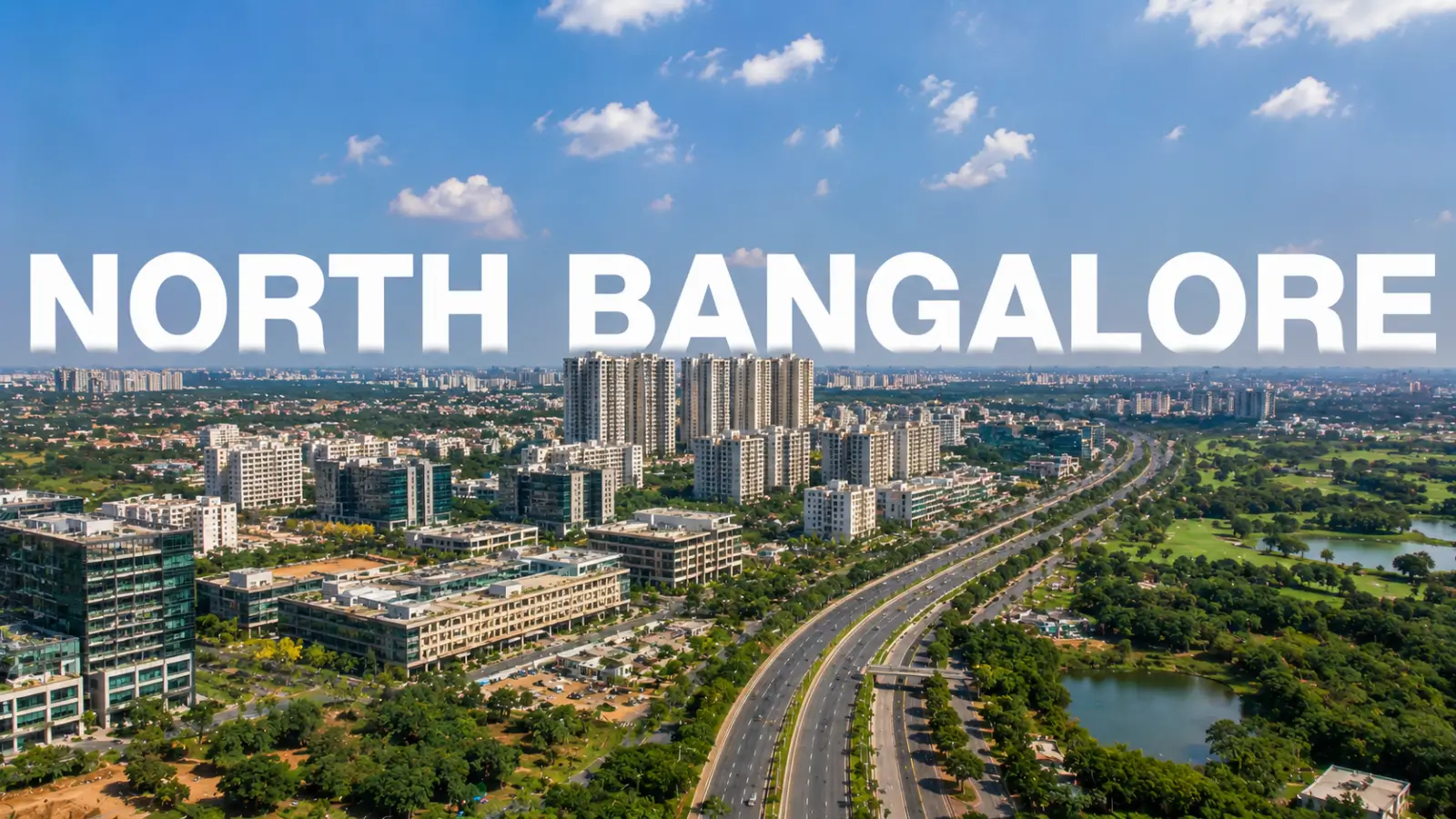
Where to Find the Best Apartments in North Bangalore
Where to Find the Best Apartments in North Bangalore explores luxury projects in Hebbal, Thanisandra, Yelahanka and Devanahalli.
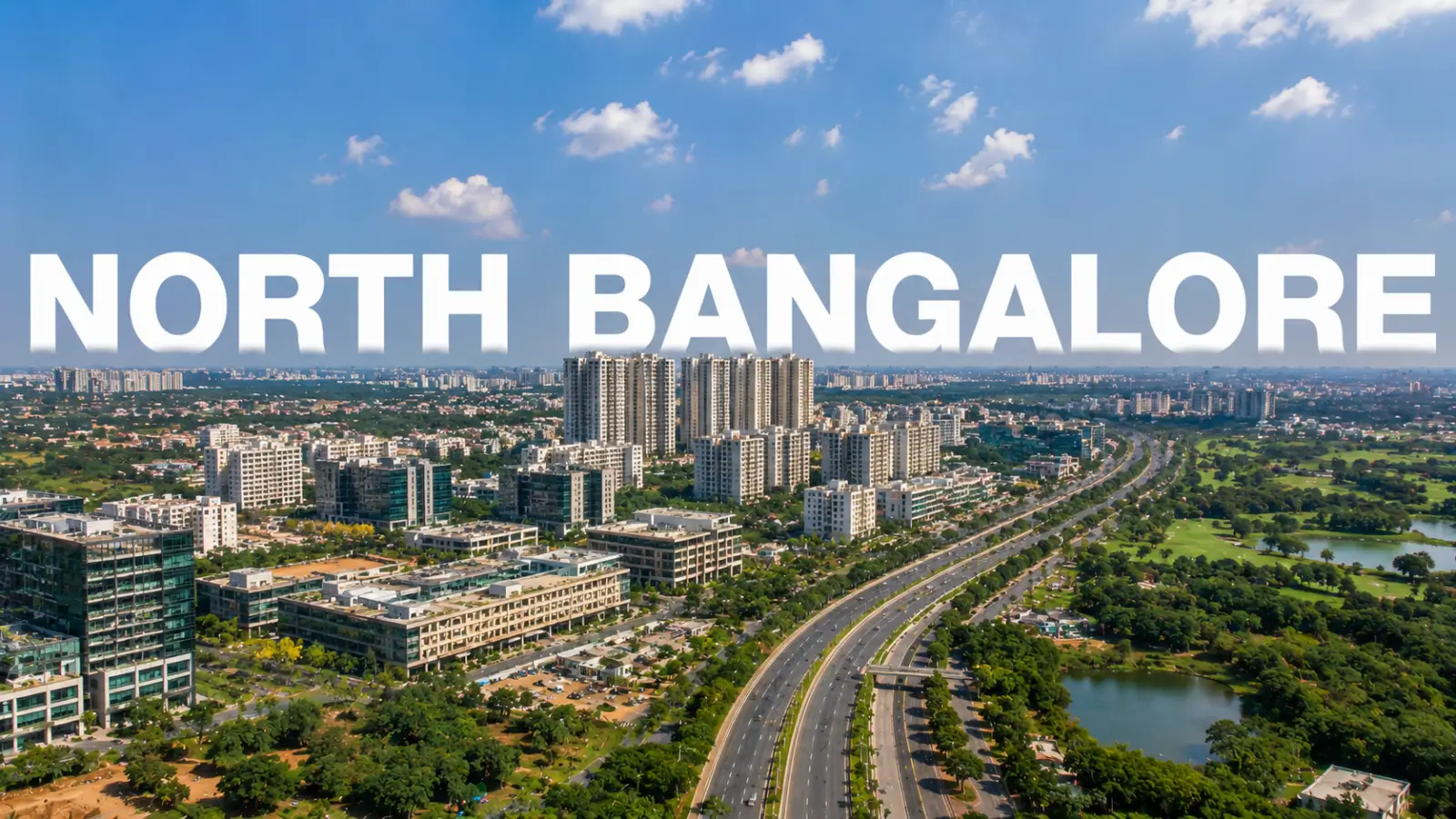
North Bangalore Area and Infrastructure Guide: How the City's Northern Corridor Is Taking Shape
North Bangalore Area and Infrastructure Guide covers key localities, airport access, highways, metro and rail projects, jobs, property prices and buyer checks.
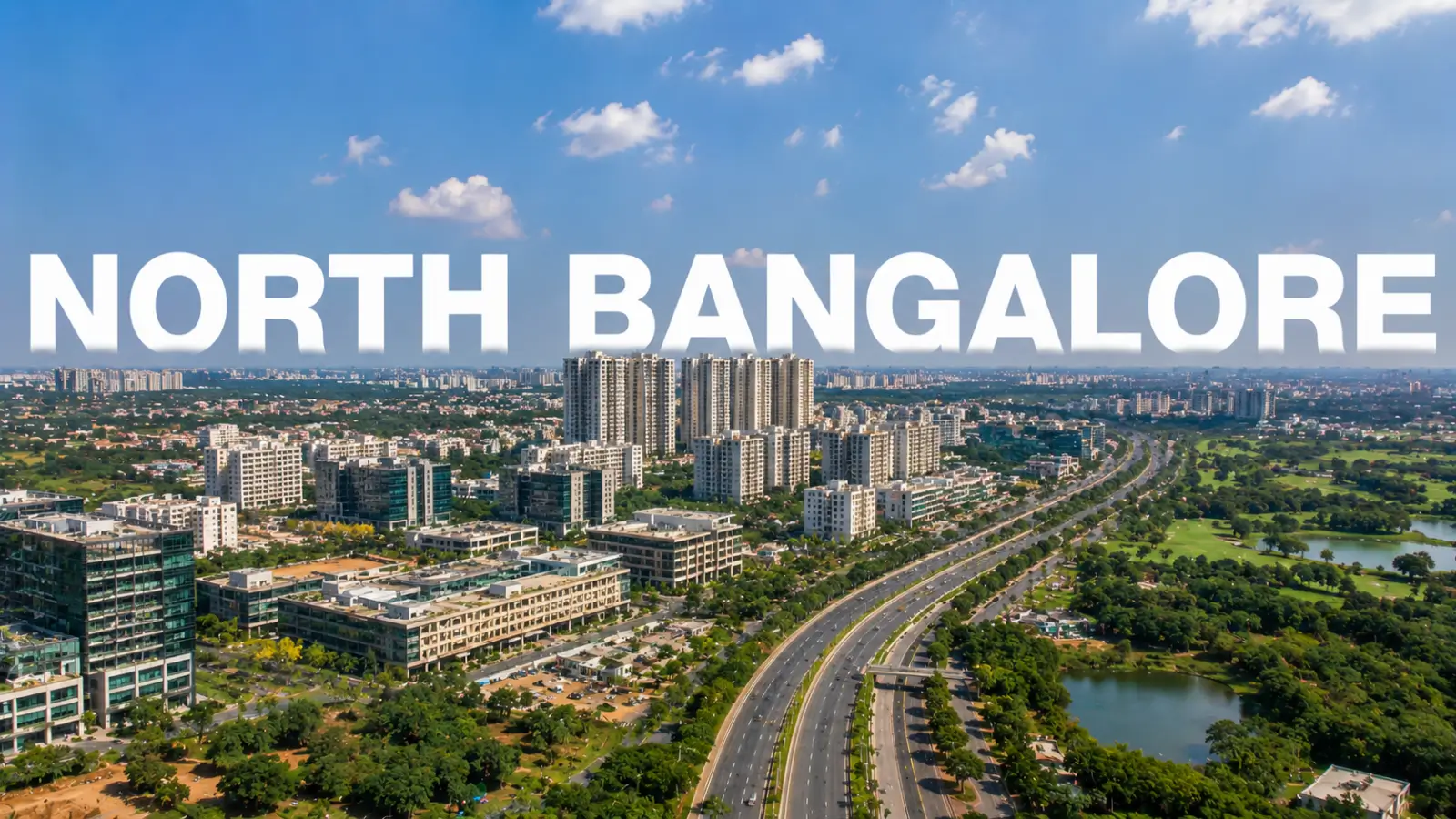
Villa & Plot Projects in North Bangalore: The Complete 2026 Guide
Explore 8 villa & plot projects in North Bangalore, comparing developers, locations, property types, amenities, timelines and key checks before booking.